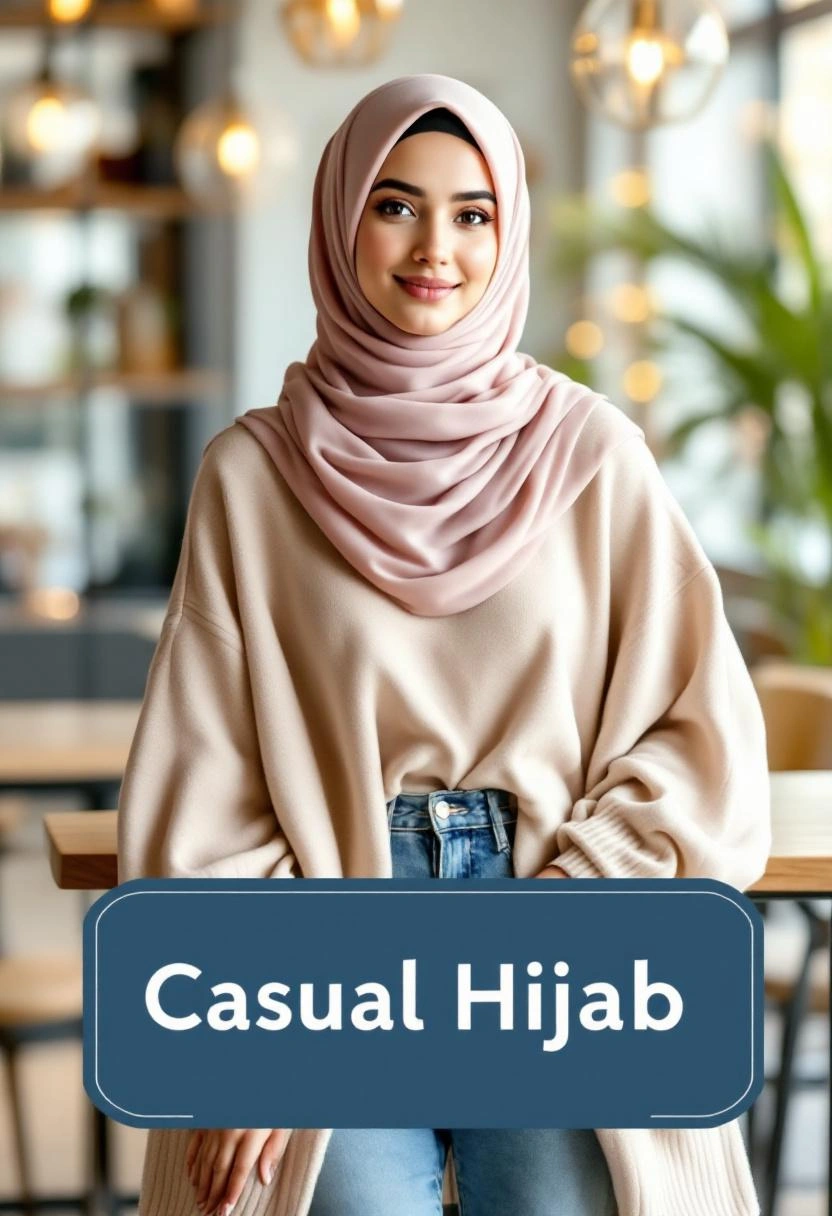
Dresses have been a timeless fashion staple for centuries, and the enduring appeal of long dresses is a testament to their versatility and elegance. Whether you’re attending a formal event, a garden party, or simply looking to add a touch of sophistication to your everyday wardrobe, a well-chosen long dress can transform your look and boost your confidence. In this comprehensive guide, we’ll explore the world of long dresses, covering everything from how to choose the perfect one to the essential care and maintenance tips to keep your investment looking its best.
Why Invest in a Long Dress?
Long dresses offer a myriad of benefits that make them a must-have in any fashion-savvy wardrobe. Firstly, they exude an air of refined sophistication and timeless charm, elevating your overall appearance and making you feel like the belle of the ball. Additionally, long dresses can be surprisingly versatile, seamlessly transitioning from formal occasions to more casual settings with the right accessories and styling.
Flattering Silhouette
One of the primary advantages of long dresses is their ability to flatter a variety of body types. The elongated hemline can create the illusion of longer, leaner legs, while the flowing fabric can skim over any perceived problem areas, creating a streamlined and elegant silhouette.
Versatility and Occasion-Appropriate
Long dresses are suitable for a wide range of events, from black-tie galas and wedding ceremonies to outdoor garden parties and evening cocktail receptions. With the right choice of fabric, color, and embellishments, a long dress can be dressed up or down to suit the occasion, making it a valuable investment in your wardrobe.
How to Choose the Perfect Long Dress
Selecting the right long dress can be a daunting task, given the vast array of styles, fabrics, and silhouettes available. However, by considering a few key factors, you can find a dress that not only flatters your figure but also aligns with your personal style and the specific event you’re attending.
Consider Your Body Type
When choosing a long dress, it’s essential to take your body type into account. Different silhouettes and styles can have a varying effect on different body shapes. For example, an A-line or empire waist dress can be particularly flattering for pear-shaped figures, while a sheath or column dress can create a sleek, streamlined look for those with an hourglass shape.
Evaluate the Occasion
The occasion for which you’re purchasing the long dress should also be a primary consideration. A formal black-tie event, for instance, would call for a more elaborate gown, potentially with luxurious fabrics, intricate detailing, or a dramatic silhouette. On the other hand, a garden wedding or a summer soirée might be better suited for a more relaxed, flowing maxi dress in a soft, airy fabric.
Consider Comfort and Wearability
While fashion is undoubtedly important, it’s equally crucial to choose a long dress that you feel comfortable and confident wearing. Pay attention to the fabric, fit, and construction of the dress, ensuring that it allows for ease of movement and doesn’t restrict your natural stride. After all, you want to be able to enjoy the event without constantly fidgeting or feeling self-conscious.
Key Criteria for Choosing a Long Dress
When it comes to selecting the perfect long dress, there are several critical factors to consider to ensure you make a wise investment.
Quality of Fabric
The quality of the fabric used in a long dress can have a significant impact on its overall appearance, comfort, and longevity. Look for dresses made with high-quality, natural fibers such as silk, cotton, or linen, as these tend to be more breathable, durable, and have a luxurious feel. Synthetic fabrics like polyester or nylon can be more affordable, but they may not offer the same level of comfort or drape.
Price and Value
The price of a long dress can vary widely, depending on factors such as the brand, materials used, and level of craftsmanship. While it’s tempting to opt for the most budget-friendly option, it’s important to balance cost with quality and value. A well-made, high-quality long dress may be more expensive upfront, but it can often be worn for years, making it a worthwhile investment.
Durability and Longevity
When investing in a long dress, consider its durability and longevity. Look for features such as reinforced seams, high-quality zippers or closures, and sturdy fabrics that can withstand regular wear and tear. A dress that is well-constructed and cared for can last for many years, becoming a timeless staple in your wardrobe.
Advantages and Disadvantages of Long Dresses
Like any fashion choice, long dresses come with their own set of advantages and disadvantages. Understanding these pros and cons can help you make an informed decision and set realistic expectations.
Advantages of Long Dresses
- Elegant and Sophisticated Appearance – Long dresses exude a sense of refinement and luxury, elevating your overall look and making you feel confident and poised.
- Versatility – Long dresses can be dressed up or down, making them suitable for a wide range of events and occasions.
- Flattering Silhouette – The elongated hemline of a long dress can create the illusion of longer, leaner legs, while the flowing fabric can skim over problem areas.
- Seasonal Adaptability – Long dresses can be worn year-round, with the right layering and accessorizing for different seasons.
Disadvantages of Long Dresses
- Potential Tripping Hazard – The long hemline can pose a tripping hazard, especially when navigating stairs or crowded areas.
- Limited Mobility – Depending on the style and fit, long dresses may restrict your range of motion, making it more challenging to engage in activities that require a lot of movement.
- Maintenance and Cleaning – Long dresses often require more care and attention when it comes to cleaning and storage, as the longer hemline can be more prone to collecting dirt and debris.
- Cost – High-quality long dresses can be more expensive than their shorter counterparts, making them a more significant investment in your wardrobe.
Caring for and Maintaining Your Long Dress
Proper care and maintenance are essential for preserving the longevity and appearance of your long dress. By following a few simple steps, you can ensure that your investment remains in top condition for years to come.
Cleaning and Storage
When it comes to cleaning your long dress, always follow the manufacturer’s instructions carefully. Many long dresses are made of delicate fabrics that may require specialized cleaning methods, such as dry cleaning or hand washing. Avoid exposing the dress to harsh detergents or high-heat drying, as this can damage the fabric and cause premature wear.
After each wear, store your long dress in a breathable garment bag or on a sturdy hanger to prevent wrinkles and creases. If the dress is made of a delicate fabric, consider investing in acid-free tissue paper to gently pad and support the fabric during storage.
Alterations and Tailoring
Over time, your body may change, and your long dress may no longer fit as perfectly as it once did. To ensure a comfortable and flattering fit, consider having the dress professionally altered by a skilled tailor. They can make adjustments to the hem, waist, or bust to ensure the dress flatters your figure.
Accessorizing and Styling
Accessories can play a crucial role in enhancing the overall look and feel of your long dress. Experiment with different belts, scarves, jewelry, and shoes to create a unique and personalized style. Additionally, consider layering the dress with a denim jacket or a lightweight cardigan to change up the look and make it suitable for different occasions.
FAQ
1. What are the most popular fabrics used in long dresses?
The most popular fabrics for long dresses include silk, chiffon, satin, lace, and cotton. These materials offer a range of benefits, such as breathability, drape, and a luxurious feel.
2. How do I choose the right length for a long dress?
When selecting the length of a long dress, consider your height and the occasion. For formal events, floor-length dresses are the most appropriate, while for more casual settings, a midi or maxi length may be more suitable. Ensure the dress is long enough to cover your shoes, but not so long that it becomes a tripping hazard.
3. How can I style a long dress for different occasions?
To style a long dress for different occasions, you can adjust the accessories and layering pieces. For a formal event, pair the dress with heels, statement jewelry, and a clutch. For a more casual setting, consider wearing the dress with sandals or sneakers, and add a denim jacket or lightweight cardigan to create a more relaxed look.
4. How do I determine the right size for a long dress?
When determining the right size for a long dress, pay attention to your bust, waist, and hip measurements. Refer to the brand’s size chart and consider ordering a size up if you’re between sizes or prefer a more comfortable fit. It’s also a good idea to try on the dress, if possible, to ensure a perfect fit.
5. How often should I have my long dress professionally cleaned?
The frequency of professional cleaning for your long dress will depend on how often you wear it and the type of fabric. As a general rule, it’s recommended to have the dress professionally cleaned after 3-4 wears or before and after major events. Always follow the manufacturer’s cleaning instructions to maintain the dress’s condition and longevity.