Cold Weather Outfits 2026: Stay Stylish and Warm This Winter
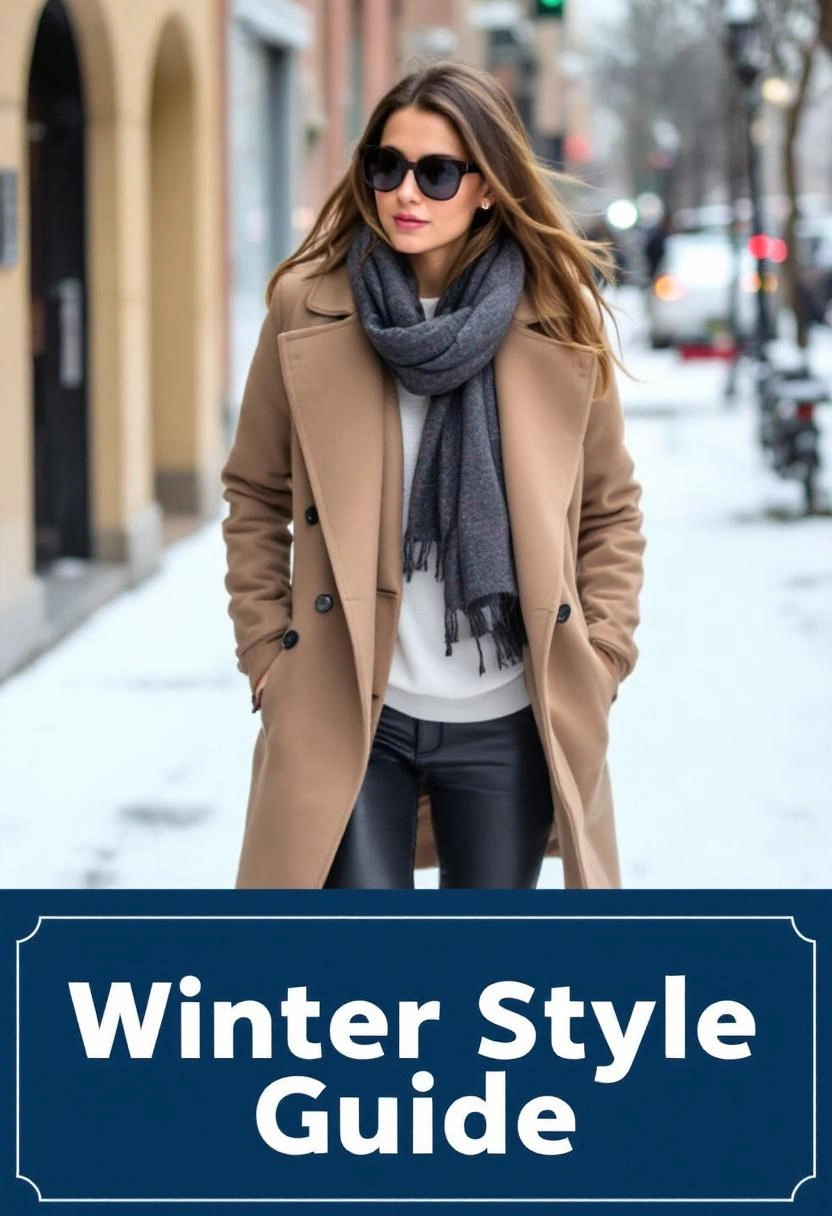
Winter fashion doesn't have to mean sacrificing style for warmth. As we head into 2026, cold weather outfits are becoming more sophisticated, versatile, and functional than ever before. The key to mastering winter fashion lies in understanding how to layer effectively, choosing the right materials, and selecting pieces that work together harmoniously. Whether you're navigating snowy city streets, heading to the office, or planning outdoor winter activities, having the right cold weather wardrobe is essential. This comprehensive guide will walk you through everything you need to know about creating stylish, warm outfits that will keep you comfortable and confident throughout the coldest months of the year.
Contents
Essential Base Layers: The Foundation of Cold Weather Dressing
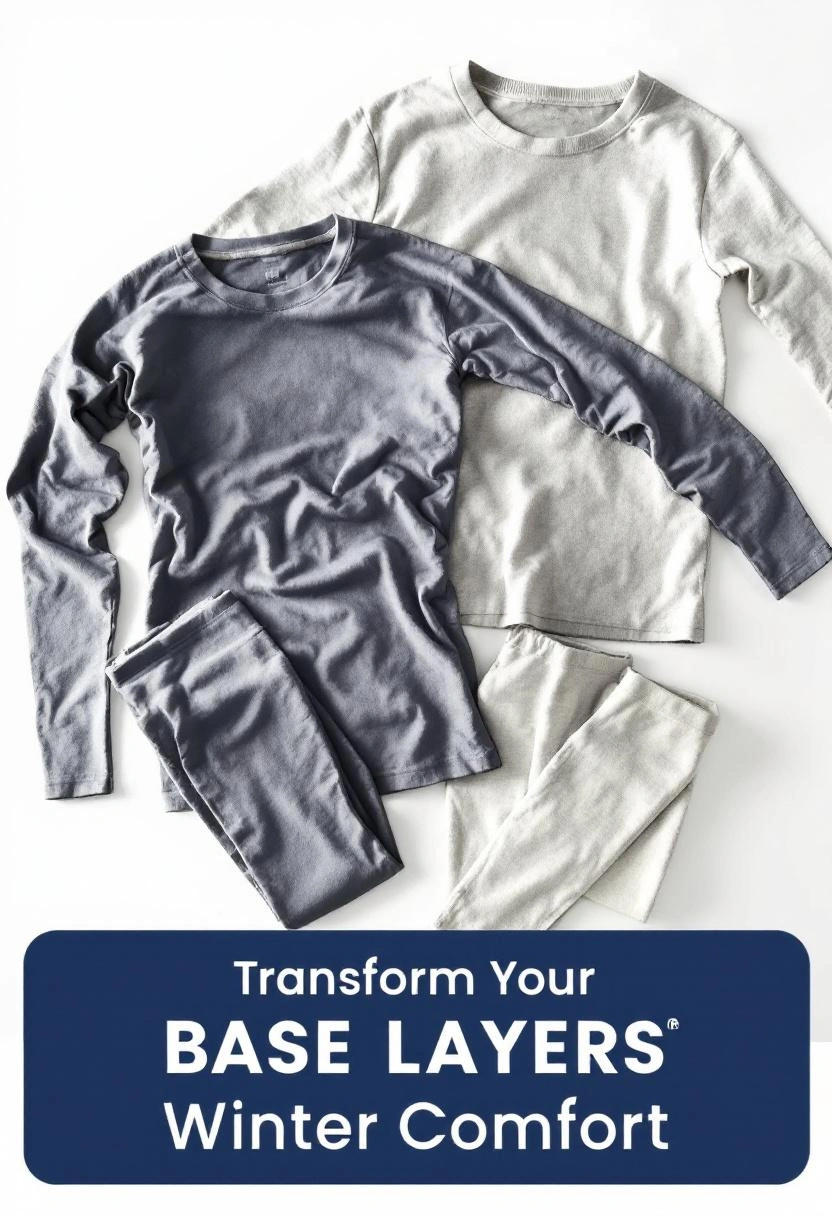
Base layers are the unsung heroes of cold weather dressing, providing the foundation that makes or breaks your winter comfort. The best base layers are made from moisture-wicking materials like merino wool or synthetic blends that keep sweat away from your skin while providing insulation. Merino wool base layers are particularly excellent because they’re naturally odor-resistant, temperature-regulating, and incredibly soft against the skin. For 2026, look for base layers with seamless construction to prevent chafing and irritation during long wear. Thermal tops should fit snugly but not restrictively, allowing for easy movement while maintaining their insulating properties. Consider investing in multiple weights – lightweight for mild cold, midweight for moderate temperatures, and heavyweight for extreme conditions. The beauty of quality base layers is their versatility; they work equally well for outdoor activities like skiing and hiking as they do for everyday city wear. When choosing colors, neutral tones like black, gray, and navy offer the most versatility, easily coordinating with any outer layers you choose to add.
⭐ Recommended for Essential Base Layers: The Foundation of Cold Weather Dressing
Merino Wool Base Layer Thermal Underwear – Top Rated
Perfect for essential base layers: the foundation of cold weather dressing
Merino Wool Base Layer Thermal Underwear – Top Rated
Perfect for essential base layers: the foundation of cold weather dressing
Merino Wool Base Layer Thermal Underwear – Top Rated
Perfect for essential base layers: the foundation of cold weather dressing
Mid-Layer Mastery: Insulation That Works
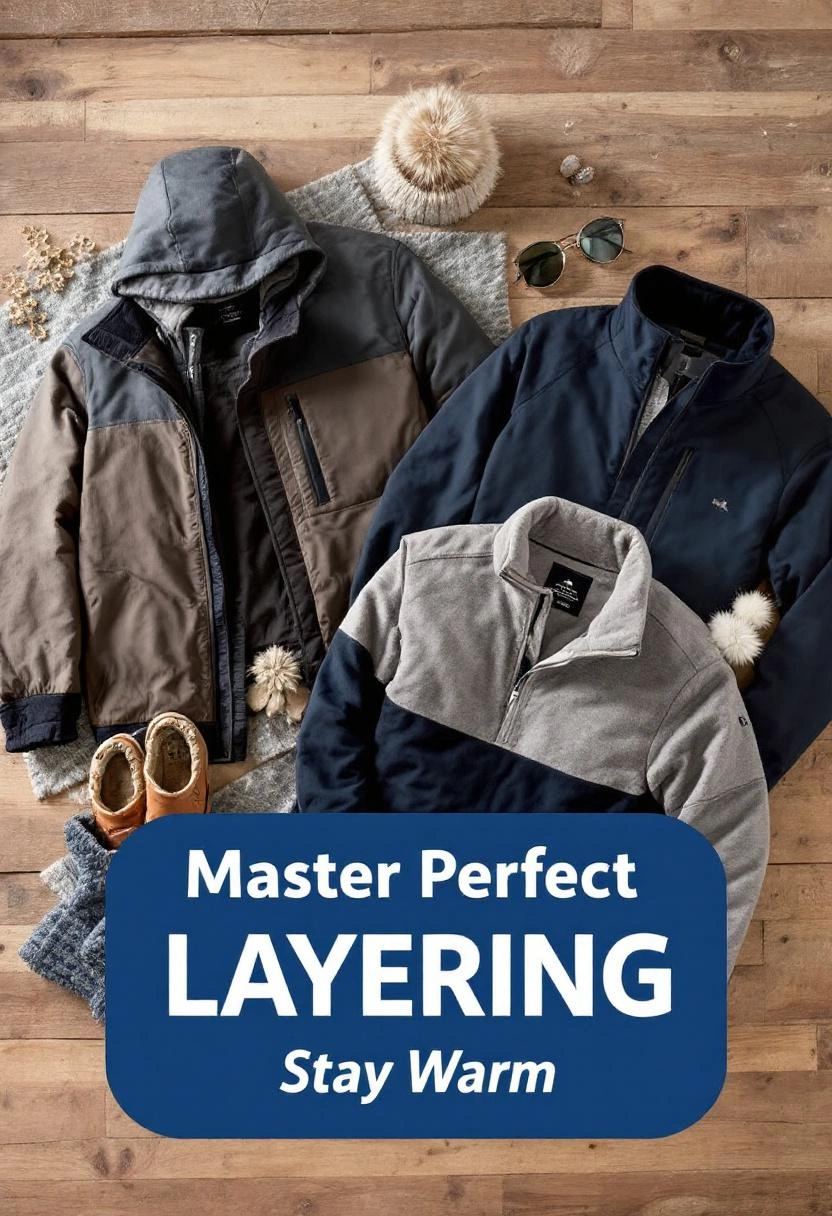
The mid-layer is where insulation magic happens, trapping warm air while allowing moisture to escape. Down jackets and vests remain the gold standard for lightweight warmth, offering unbeatable warmth-to-weight ratios. However, synthetic insulation has made remarkable advances, providing reliable warmth even when wet and easier care requirements. Fleece mid-layers offer excellent breathability and are perfect for high-activity situations. For 2026, look for mid-layers with strategic ventilation zones, such as underarm zips or mesh panels, that allow you to regulate temperature without removing the entire layer. Packable options are invaluable for travel or when weather conditions change throughout the day. Consider the fit carefully – mid-layers should be roomy enough to accommodate base layers while still fitting comfortably under outer shells. Hybrid designs combining different insulation types in strategic areas are becoming increasingly popular, offering targeted warmth where you need it most. Colors and patterns in mid-layers can add personality to your winter wardrobe, as they’re often visible when you unzip your outer jacket. Quality mid-layers are investment pieces that will serve you well across multiple seasons and various activities.
⭐ Recommended for Mid-Layer Mastery: Insulation That Works
Down Jacket Lightweight Packable Insulation – Top Rated
Perfect for mid-layer mastery: insulation that works
Down Jacket Lightweight Packable Insulation – Top Rated
Perfect for mid-layer mastery: insulation that works
Down Jacket Lightweight Packable Insulation – Top Rated
Perfect for mid-layer mastery: insulation that works
Outer Shell Excellence: Your First Line of Defense
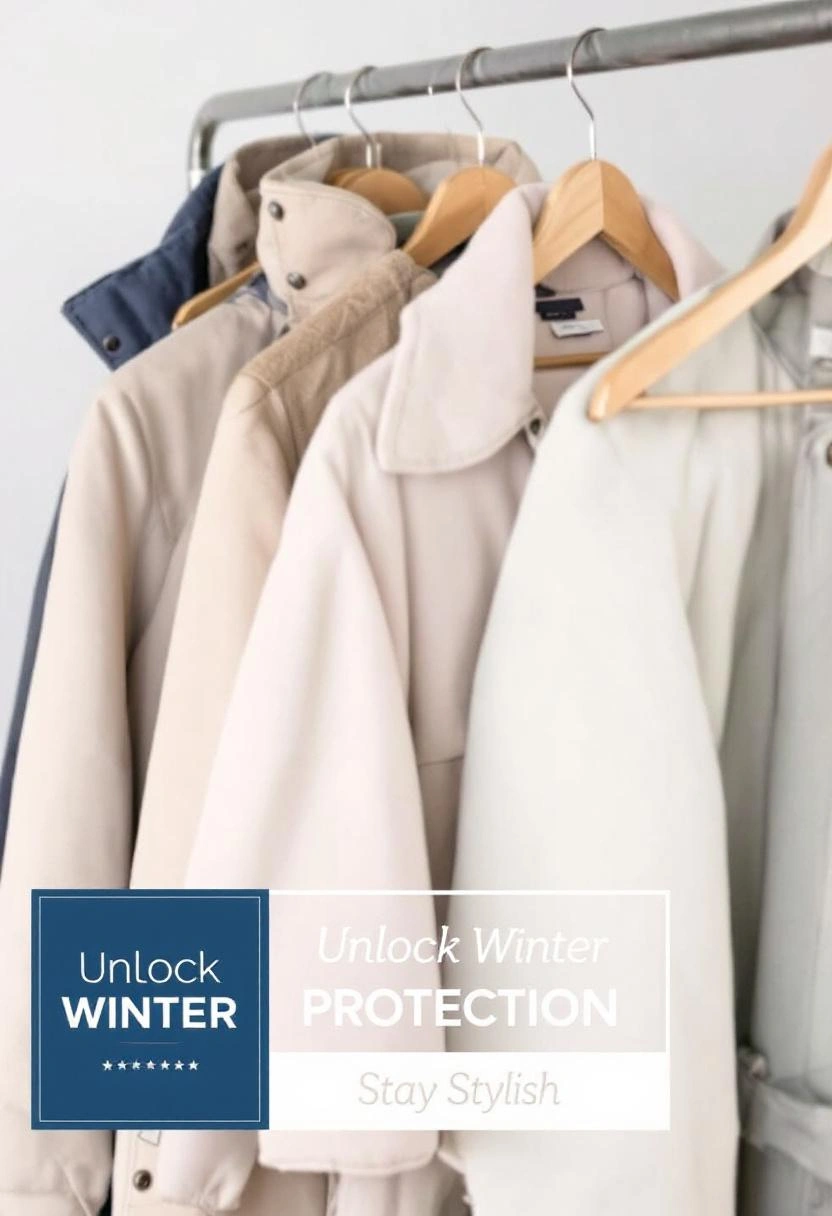
Your outer shell is your first line of defense against wind, rain, snow, and cold air. The best outer layers combine weather protection with breathability, preventing you from overheating while keeping the elements out. Look for jackets with taped seams, waterproof zippers, and durable water repellent (DWR) coatings that bead water effectively. Three-layer Gore-Tex or similar technical fabrics offer superior protection for serious outdoor activities, while soft-shell jackets provide excellent breathability for less extreme conditions. Features like adjustable hoods, storm flaps, and multiple pockets add both functionality and convenience. For urban environments, wool coats and parkas offer classic style while providing substantial warmth. Length matters – longer coats provide more coverage but can restrict movement, while shorter jackets offer greater mobility. Consider your primary activities when choosing an outer shell. Commuters might prefer stylish wool coats that transition well from outdoors to office environments, while outdoor enthusiasts need technical shells that can handle harsh conditions. Color choices in outer shells tend to be more conservative, with black, navy, and earth tones offering the most versatility and longevity in your wardrobe.
⭐ Recommended for Outer Shell Excellence: Your First Line of Defense
Winter Jacket Waterproof Insulated Parka – Top Rated
Perfect for outer shell excellence: your first line of defense
Winter Jacket Waterproof Insulated Parka – Top Rated
Perfect for outer shell excellence: your first line of defense
Winter Jacket Waterproof Insulated Parka – Top Rated
Perfect for outer shell excellence: your first line of defense
Cold Weather Footwear: From Toes to Street Style
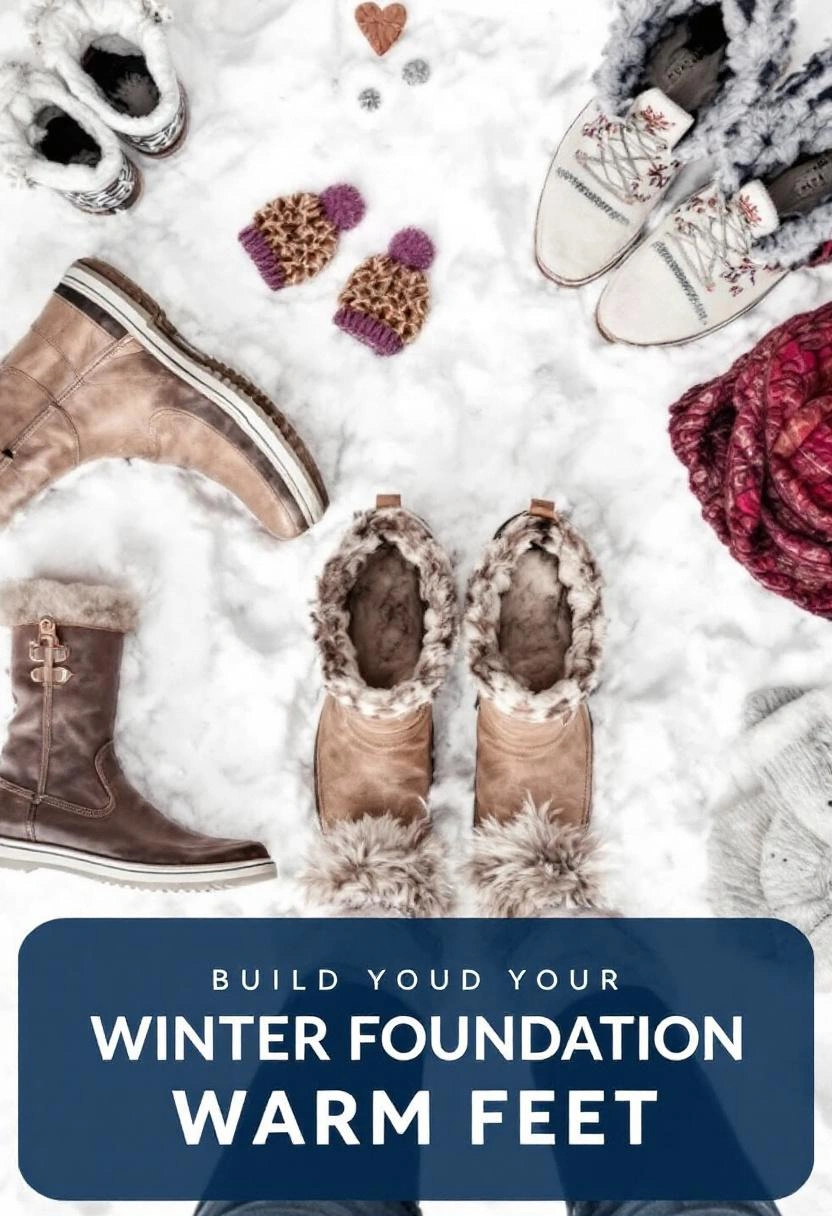
Proper footwear can make or break your cold weather comfort, as cold feet can quickly ruin even the best-planned outfit. Insulated boots with good traction are essential for snow and ice, but they don’t have to sacrifice style. Look for boots with temperature ratings appropriate for your climate, waterproof or water-resistant materials, and soles designed for winter traction. Merino wool or synthetic blend socks are crucial – they wick moisture, provide cushioning, and maintain warmth even when damp. Avoid cotton socks at all costs in cold weather. For urban environments, consider boots that transition well from outdoor conditions to indoor settings. Some boots feature removable liners that can be washed or dried separately. Height matters too – taller boots provide more coverage and protection, while shorter boots offer easier on-and-off convenience. Don’t forget about style – winter boots now come in numerous fashionable options that complement your overall cold weather aesthetic. For extreme conditions, consider boots with additional features like gaiters to keep snow out, or compatibility with microspikes for icy conditions. Quality winter boots are an investment that pays dividends in comfort and safety throughout multiple seasons.
⭐ Recommended for Cold Weather Footwear: From Toes to Street Style
Insulated Winter Boots Waterproof Snow Boots – Top Rated
Perfect for cold weather footwear: from toes to street style
Insulated Winter Boots Waterproof Snow Boots – Top Rated
Perfect for cold weather footwear: from toes to street style
Insulated Winter Boots Waterproof Snow Boots – Top Rated
Perfect for cold weather footwear: from toes to street style
Accessories That Complete the Look: Hats, Gloves, and Scarves
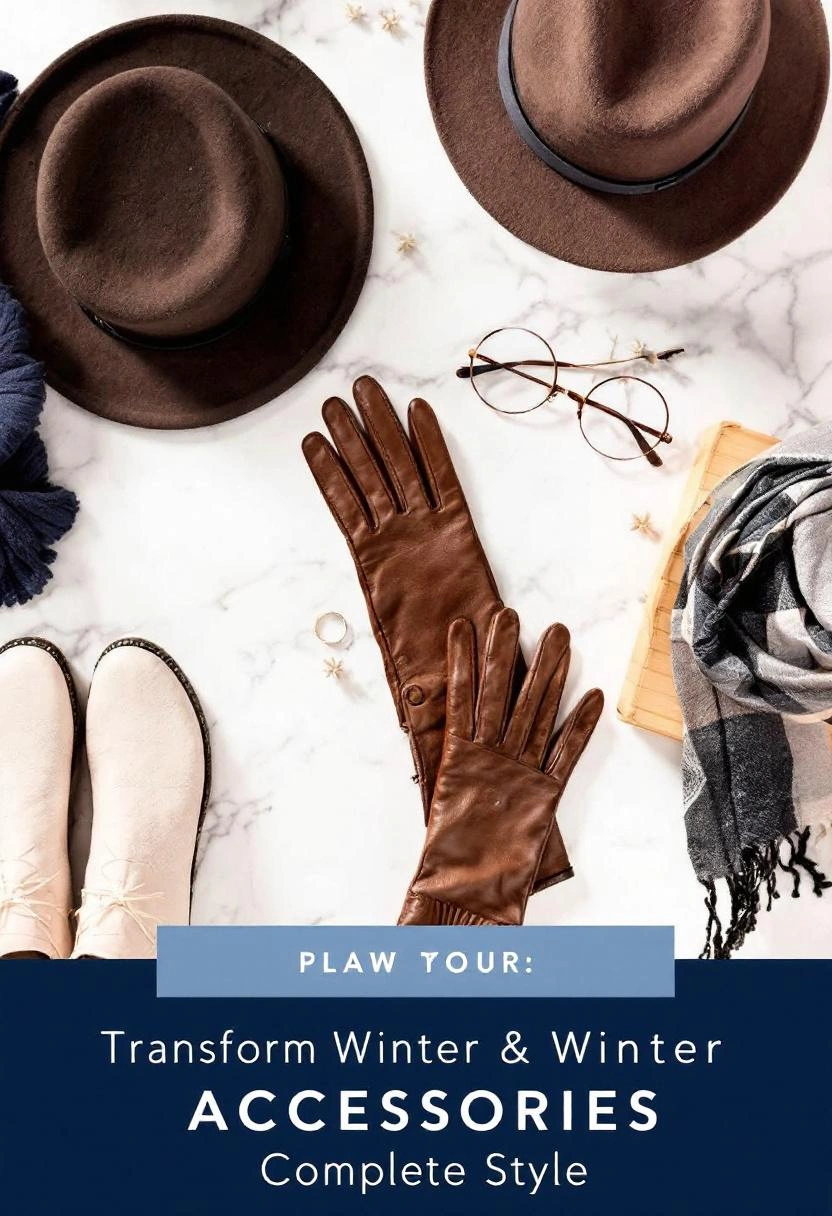
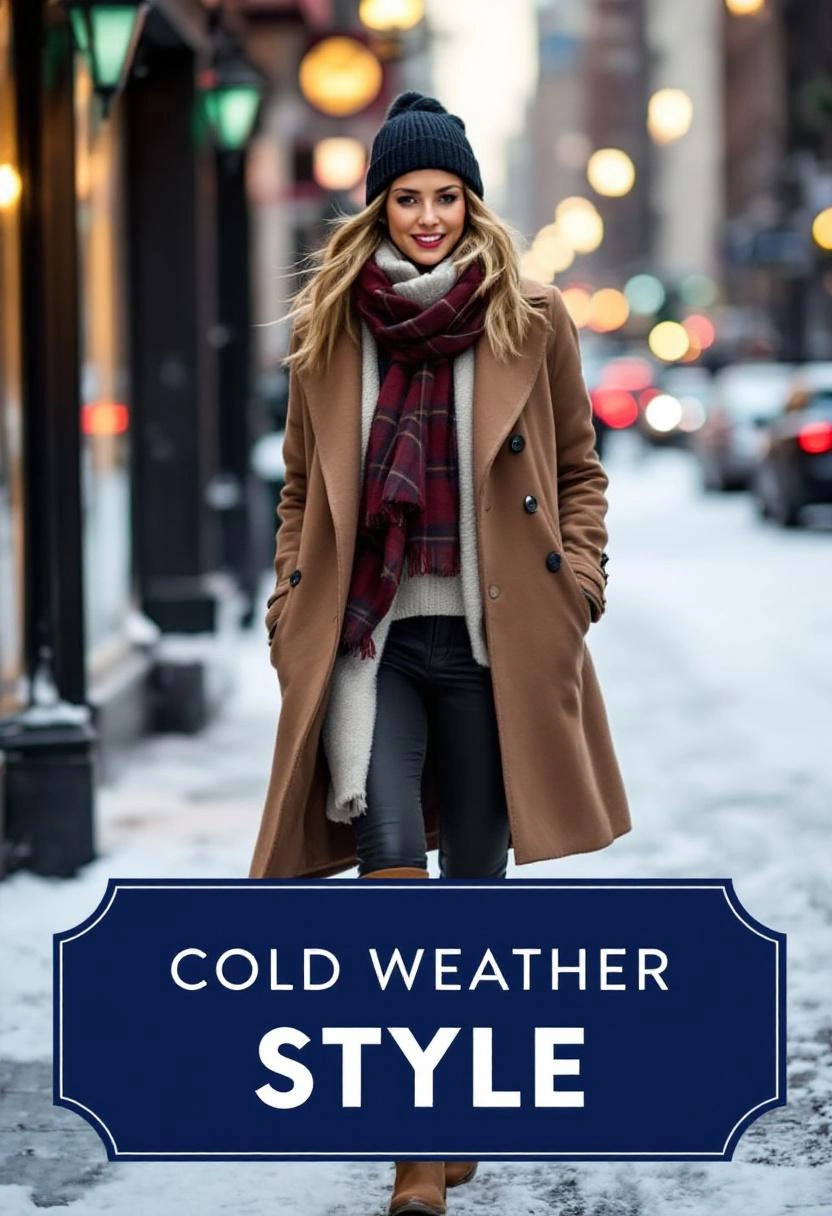
Winter accessories are where functionality meets personal style, offering the perfect opportunity to add personality to cold weather outfits while providing essential warmth. A quality winter hat can prevent significant heat loss through your head – look for options in wool, cashmere, or technical fabrics with fleece linings. Beanies offer casual versatility, while structured hats provide more formal appeal. Gloves or mittens are crucial for hand warmth and dexterity. Mittens are generally warmer, while gloves offer better finger mobility. Look for touchscreen-compatible fingertips if you need to use devices. Liner gloves underneath heavier mittens provide ultimate warmth and versatility. Scarves serve both functional and aesthetic purposes, providing neck warmth while adding color and texture to outfits. Infinity scarves offer convenience and stay in place better, while traditional scarves provide more styling options. Materials matter – wool and cashmere offer excellent warmth and style, while synthetic options provide easy care and durability. For 2026, look for accessories with technical features like moisture-wicking properties or wind-resistant panels. Coordinating your accessories creates a polished look, but don’t be afraid to mix textures and complementary colors to add visual interest to winter outfits.
⭐ Recommended for Accessories That Complete the Look: Hats, Gloves, and Scarves
Winter Hat Gloves Scarf Set Wool – Top Rated
Perfect for accessories that complete the look: hats, gloves, and scarves
Winter Hat Gloves Scarf Set Wool – Top Rated
Perfect for accessories that complete the look: hats, gloves, and scarves
Winter Hat Gloves Scarf Set Wool – Top Rated
Perfect for accessories that complete the look: hats, gloves, and scarves
Conclusion
Creating the perfect cold weather outfit in 2026 is about balancing function with style, ensuring you stay warm while looking your best. By investing in quality base layers, mastering the art of layering, choosing the right outer protection, selecting appropriate footwear, and completing your look with thoughtful accessories, you’ll be prepared for whatever winter throws your way. Remember that the best cold weather wardrobe is one that adapts to your lifestyle and climate needs while reflecting your personal style.
FAQ
What's the best material for cold weather base layers?
Merino wool is considered the best material for base layers due to its natural temperature regulation, odor resistance, and moisture-wicking properties. Synthetic blends are also excellent and often more affordable.
How many layers should I wear in cold weather?
The ideal layering system consists of three layers: a moisture-wicking base layer, an insulating mid-layer, and a weather-protective outer shell. Adjust based on temperature and activity level.
Are expensive winter boots worth the investment?
Quality winter boots are definitely worth investing in. They provide better insulation, waterproofing, traction, and durability, ultimately offering better value and performance over multiple seasons.
How do I prevent overheating while wearing multiple layers?
Choose breathable materials, look for garments with ventilation zips, and learn to adjust or remove layers as needed. Start slightly cool as your body will warm up with movement.