Saying “I Do” in Style: Your Ultimate Guide to Choosing the Perfect Wedding Dress
Your wedding day is one of the most important and memorable moments of your life, and the dress you choose to wear on that special day will be a reflection of your personal style and the overall aesthetic of your celebration. Whether you’re dreaming of a grand, fairytale-inspired gown or a sleek, modern silhouette, navigating the vast world of wedding dresses can be a daunting task.
In this comprehensive guide, we’ll explore the key factors to consider when selecting your dream wedding dress, from understanding the different styles and fabrics to ensuring a perfect fit and making the most of your budget. With expert tips and insights, you’ll be well on your way to finding the dress that will make you feel confident, comfortable, and absolutely radiant as you walk down the aisle.
Understanding the Different Wedding Dress Styles
Wedding dresses come in a wide variety of styles, each with its own unique features and flattering qualities. Familiarizing yourself with the most popular silhouettes can help you narrow down your search and identify the styles that best complement your body type and personal preferences.
Ball Gown
The classic ball gown is characterized by a fitted bodice and a full, voluminous skirt, often creating a dramatic, princess-like silhouette. This style is particularly flattering for those with an hourglass figure, as it accentuates the waist and creates the illusion of a slim, elongated torso.
A-Line
The A-line dress features a fitted bodice that gradually flares out into a skirt, creating a balanced, figure-flattering shape that is suitable for a wide range of body types. This versatile style is a popular choice for brides who want a timeless, elegant look.
Mermaid
The mermaid silhouette is defined by a fitted bodice that flares out at the hips, creating a dramatic, fish-tail-like shape. This style is perfect for brides who want to showcase their curves and make a bold statement on their wedding day.
Sheath
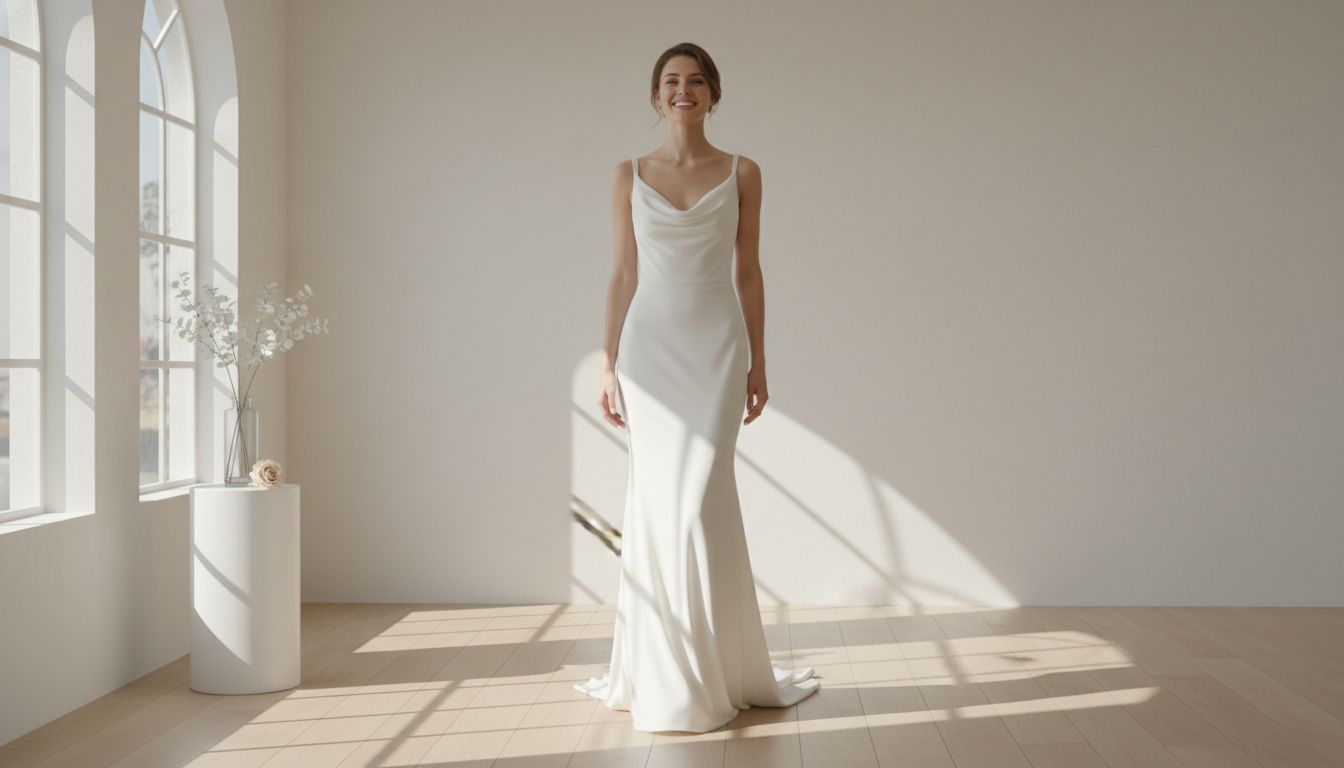
The sheath dress is a sleek, streamlined style that hugs the body and creates a slim, minimalist look. This style is ideal for brides who want a modern, sophisticated aesthetic and is particularly flattering for those with a slender, athletic frame.
Tea-Length
Tea-length dresses, which fall somewhere between the knee and ankle, offer a chic, retro-inspired look that is perfect for more casual or destination weddings. This style is a great option for brides who want to showcase their legs and add a touch of playfulness to their wedding day ensemble.
Choosing the Right Fabric and Embellishments
The fabric and embellishments of a wedding dress can significantly impact the overall look and feel of the gown, as well as its durability and comfort. When selecting your dress, consider the following factors:
Fabric
- Satin: A luxurious, high-shine fabric that creates a sleek, elegant look. Satin is a popular choice for formal, traditional weddings.
- Chiffon: A lightweight, flowing fabric that creates a romantic, ethereal aesthetic. Chiffon is a great option for outdoor or destination weddings.
- Lace: A delicate, intricate fabric that adds a touch of timeless glamour to a wedding dress. Lace is a versatile choice that can be incorporated into a variety of dress styles.
- Tulle: A soft, airy fabric that lends itself well to voluminous, fairytale-inspired skirts. Tulle is a popular choice for ball gowns and princess-style dresses.
Embellishments
- Beading: Delicate beading can add a touch of sparkle and elegance to a wedding dress, creating a dazzling, eye-catching effect.
- Appliqués: Intricate appliqués, such as lace or floral designs, can elevate a simple dress and give it a unique, personalized touch.
- Sequins: Subtle sequin accents can add a touch of glamour and shine to a wedding dress, making it the perfect choice for a formal, black-tie affair.
- Embroidery: Delicate, intricate embroidery can create a beautiful, ornate effect on a wedding dress, lending an elegant, high-end look.
Finding the Perfect Fit
Achieving the perfect fit is crucial when it comes to finding your dream wedding dress. A well-fitted gown not only looks and feels amazing, but it can also enhance your natural features and boost your confidence on your special day. Here are some tips to ensure a flawless fit:
Determine Your Body Type
Understanding your body type is the first step in finding a dress that flatters your figure. Common body types include apple, pear, hourglass, and athletic. Knowing your shape can help you identify the silhouettes and styles that will complement you best.
Get Measured Professionally
It’s crucial to get professionally measured for your wedding dress, as off-the-rack sizes may not accurately reflect your unique measurements. A skilled bridal consultant can take precise measurements and ensure the dress is tailored to your specific body.
Consider Alterations
Even if a dress fits well off the rack, it’s likely that some alterations will be needed to achieve the perfect fit. From taking in the waist to adjusting the hem, alterations can make a significant difference in the overall look and feel of your gown.
Wear the Right Undergarments
The right undergarments, such as a supportive strapless bra or shapewear, can make a big difference in how your wedding dress fits and flatters your figure. Be sure to bring any necessary undergarments to your dress fittings.
Maximizing Your Budget
Determining your wedding dress budget is an important step in the planning process, as it will help you narrow down your options and ensure you find a gown that fits your financial needs. Here are some tips for getting the most value for your money:
Set a Realistic Budget
Start by determining how much you’re willing to spend on your wedding dress, taking into account other expenses like venue, catering, and decor. Keep in mind that the average cost of a wedding dress in the United States is around $1,800, but you can find beautiful options at a wide range of price points.
Consider Off-the-Rack Options
While custom-made dresses can be stunning, they often come with a hefty price tag. Opt for off-the-rack dresses, which can be found at a variety of bridal boutiques and department stores, to save money without sacrificing style.
Look for Sales and Discounts
Keep an eye out for seasonal sales, sample sales, and other discounts that can help you score your dream dress at a fraction of the cost. Additionally, consider shopping during the off-season, as wedding dress prices tend to be lower during the fall and winter months.
Prioritize What Matters Most
If you have a limited budget, focus on the aspects of the dress that are most important to you, such as the silhouette, fabric, or level of embellishment. By prioritizing your must-have features, you can find a dress that checks all the boxes without breaking the bank.
Caring for Your Wedding Dress
Proper care and maintenance of your wedding dress is essential to ensuring it looks its best on your special day and beyond. Here are some tips for keeping your gown in tip-top shape:
Cleaning and Preservation
After your wedding, it’s important to have your dress professionally cleaned and preserved to prevent stains, yellowing, and damage. This process may include dry cleaning, spot removal, and careful packaging to protect the fabric and embellishments.
Proper Storage
When not in use, store your wedding dress in a cool, dry place, such as a garment bag or acid-free box. Avoid direct sunlight, heat, and moisture, which can cause the fabric to deteriorate over time.
Handling with Care
When trying on or handling your wedding dress, be gentle and mindful of the delicate fabric and embellishments. Avoid eating or drinking while wearing the dress, and be cautious of any sharp objects or jewelry that could snag or tear the material.
Alterations and Repairs
If your dress requires any alterations or minor repairs, such as a loose button or a torn seam, be sure to have them addressed by a professional seamstress or bridal specialist. Attempting DIY fixes could potentially cause further damage to the gown.
FAQ
1. How far in advance should I start shopping for a wedding dress?
It’s generally recommended to start shopping for your wedding dress at least 6-12 months before your wedding date. This will give you ample time to find the perfect dress, schedule fittings, and make any necessary alterations.
2. What is the average cost of a wedding dress?
The average cost of a wedding dress in the United States is around $1,800, according to a recent survey. However, prices can range from a few hundred dollars to tens of thousands, depending on the designer, fabric, and level of customization.
3. How do I know if a dress is well-made and high-quality?
Look for signs of quality construction, such as sturdy seams, well-finished hems, and high-quality fabrics. Additionally, check the designer’s reputation and read reviews from past customers to gauge the overall craftsmanship and durability of the dress.
4. Can I wear a white or ivory dress if I’m not a virgin?
Absolutely! The tradition of wearing white or ivory on your wedding day is no longer limited to only those who have never been married. Wear the color that makes you feel most confident and beautiful on your special day.
5. How do I choose the right accessories to complement my wedding dress?
Consider the style, silhouette, and overall aesthetic of your dress when selecting accessories. A simple, minimalist gown may call for statement jewelry or a dramatic veil, while a more ornate dress may look best with a delicate, understated approach to accessories.