Perfect Leggings 2026: Ultimate Guide to Finding Your Ideal Pair
Finding the perfect leggings can transform your wardrobe and boost your confidence. In 2026, the leggings market has evolved dramatically, offering innovative fabrics, superior comfort, and styles that seamlessly transition from gym to street. Whether you're seeking high-performance activewear for intense workouts, comfortable everyday essentials, or fashion-forward pieces that make a statement, the right pair of leggings can be a game-changer. With countless options available, from compression levels to rise heights, choosing the perfect leggings requires understanding your specific needs, body type, and lifestyle. This comprehensive guide will walk you through everything you need to know about selecting leggings that not only look amazing but also provide the functionality and comfort you deserve.
Contents
Understanding Leggings Materials and Fabric Technology
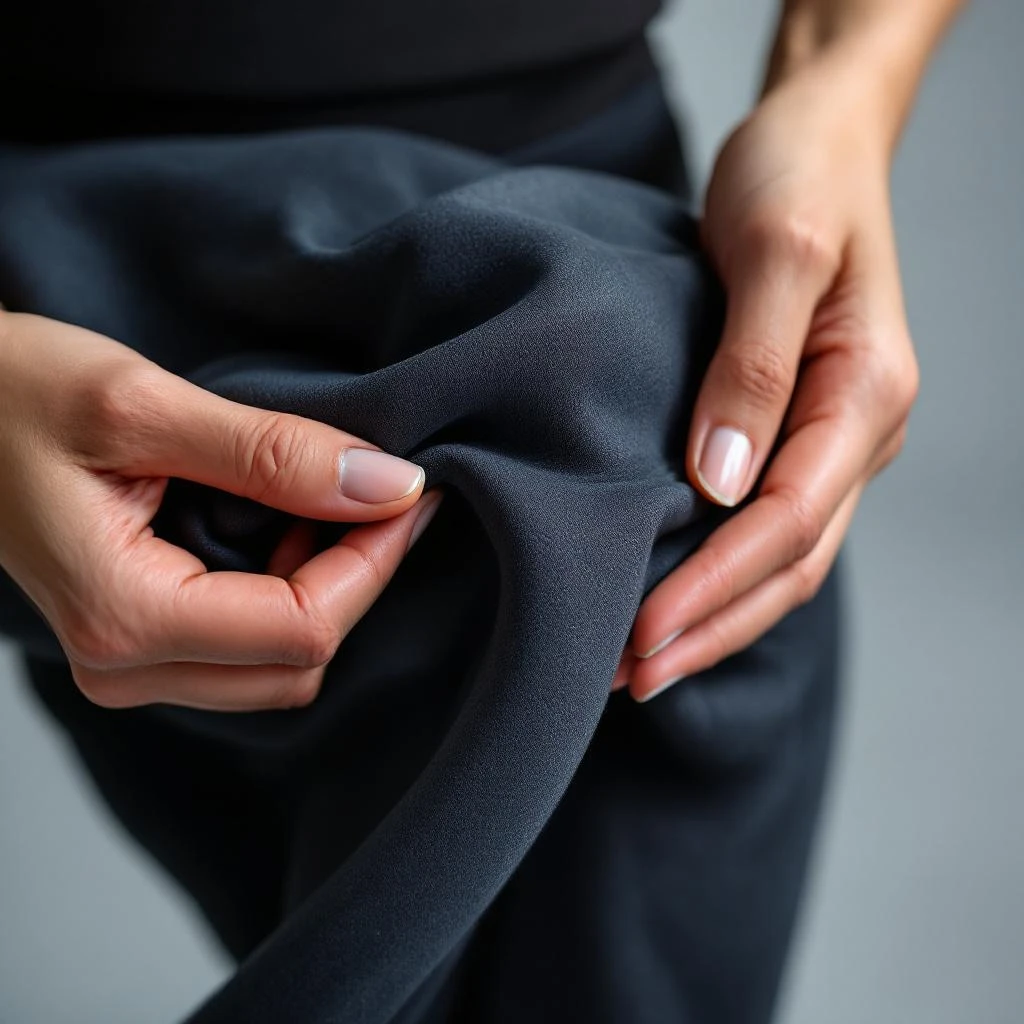
The foundation of perfect leggings lies in their fabric composition and construction technology. Modern leggings utilize advanced materials that offer superior stretch, recovery, and durability compared to traditional options. Premium leggings typically feature a blend of polyester, spandex, and sometimes nylon, creating a fabric that moves with your body while maintaining its shape. Moisture-wicking properties are essential for active wear, drawing sweat away from skin to keep you dry and comfortable during workouts. Compression technology has also evolved significantly, with graduated compression that supports muscles and improves blood circulation without feeling restrictive. Four-way stretch fabric ensures leggings move seamlessly in all directions, whether you’re doing yoga poses, running, or simply going about your daily activities. Anti-bacterial treatments prevent odor buildup, making leggings suitable for extended wear. The best leggings also feature seamless construction or flat-seam technology to prevent chafing and irritation. When evaluating fabric quality, look for materials that feel substantial but not thick, with a smooth texture that doesn’t pill after washing. Eco-friendly options made from recycled materials are becoming increasingly popular, offering sustainability without compromising performance.
Finding the Right Fit: Size, Rise, and Compression Levels
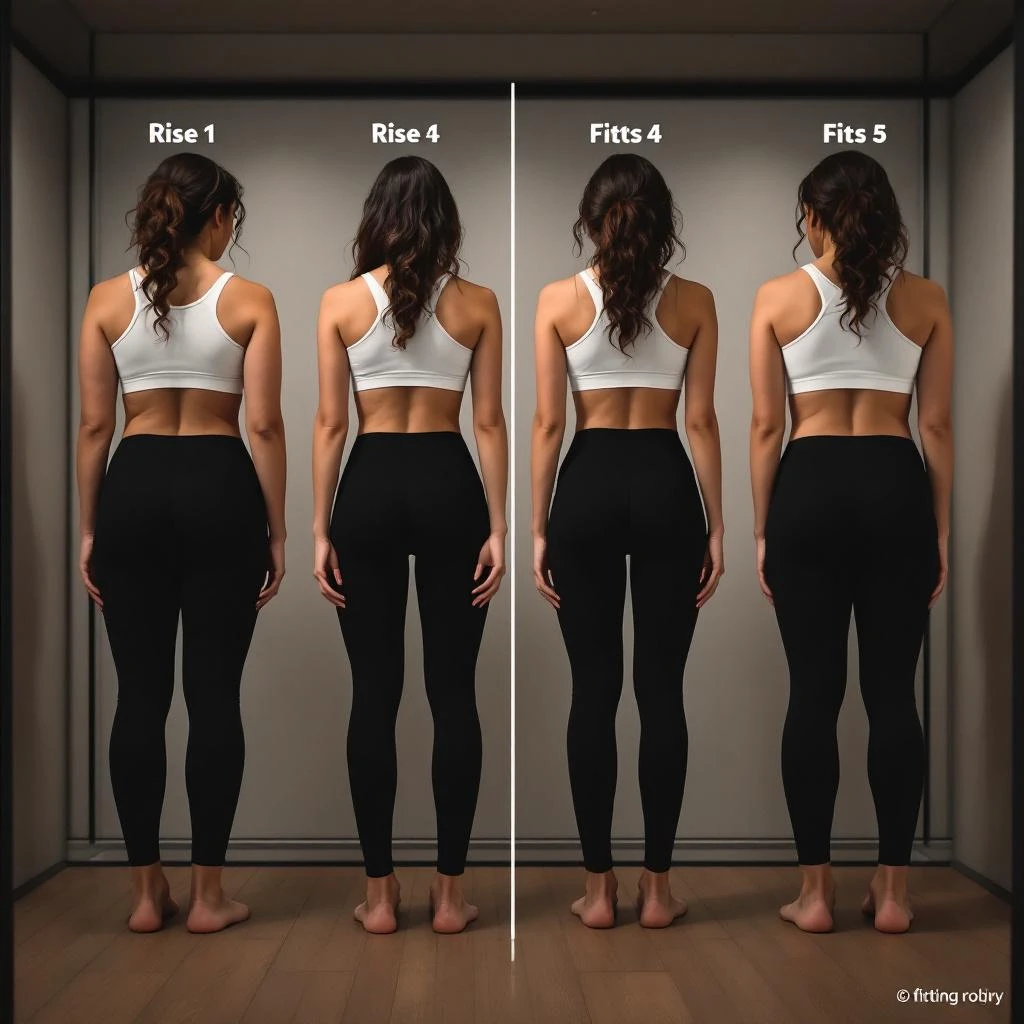
Achieving the perfect leggings fit requires understanding how different sizing, rise options, and compression levels work with your unique body shape. Size selection goes beyond standard measurements – consider how the fabric feels against your skin and whether it provides adequate coverage without being too tight or loose. High-rise leggings offer excellent core support and create a flattering silhouette, making them ideal for workouts and tucking in tops. Mid-rise options provide comfort without the higher waistband, perfect for casual wear and those who prefer less compression around the midsection. Low-rise leggings, while less common, work well under longer tops and for specific body types. Compression levels range from light support for everyday wear to medical-grade compression for athletic performance and recovery. The waistband design significantly impacts comfort and functionality – look for wide, non-rolling waistbands that stay in place during movement. Seam placement affects both comfort and appearance; side seams should align properly, and crotch seams should provide adequate room without bunching. Length options include full-length, 7/8 length, capri, and shorts, each serving different purposes and body proportions. The perfect fit should feel like a second skin – supportive without being restrictive, with no visible panty lines or fabric bunching.
Activity-Specific Leggings: From Yoga to High-Intensity Training
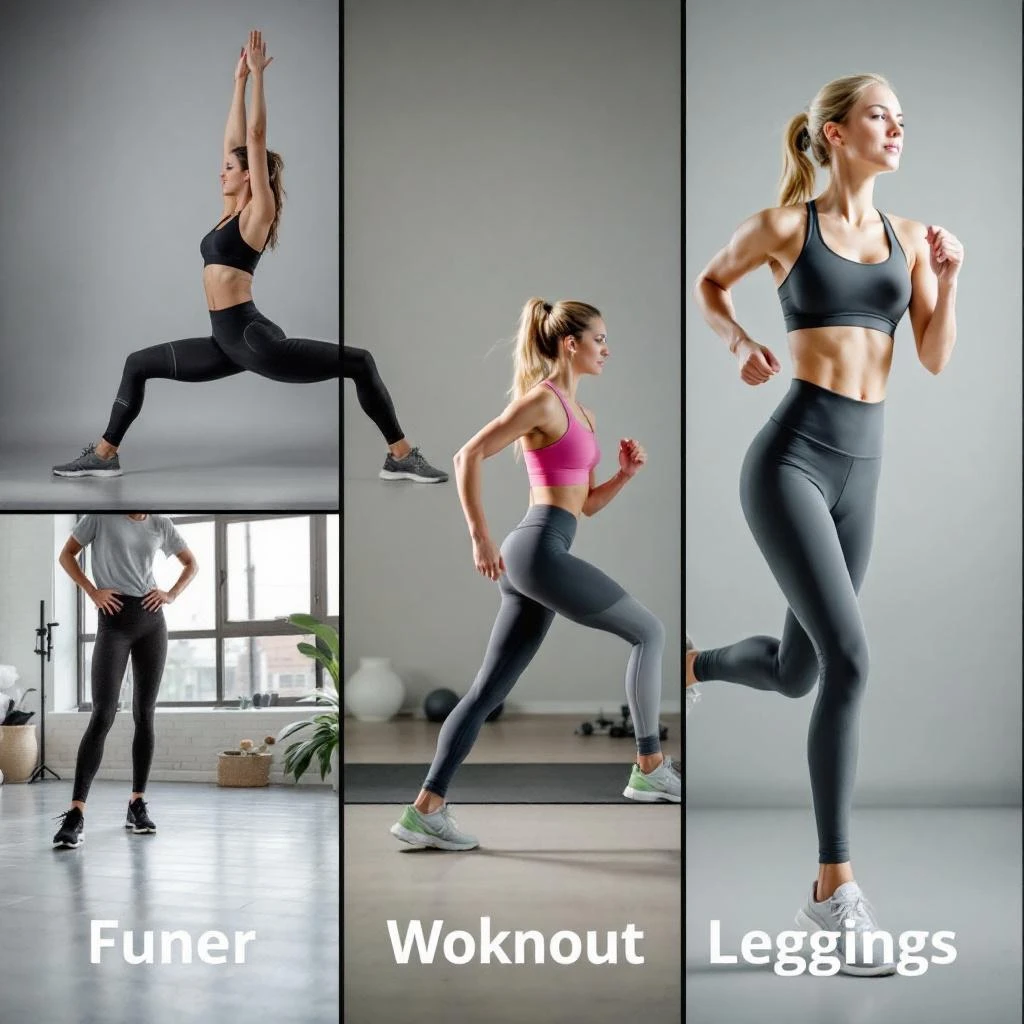
Different activities demand specific leggings features to optimize performance and comfort. Yoga leggings prioritize flexibility and comfort, featuring ultra-soft, four-way stretch fabrics that move with complex poses without restriction. These typically have a higher cotton content for breathability and a more relaxed fit through the legs. Running leggings emphasize moisture-wicking properties, compression support, and often include reflective elements for visibility during outdoor workouts. The fabric tends to be more technical, with advanced sweat management and sometimes built-in UV protection. High-intensity training requires leggings that can withstand rigorous movement while providing maximum support. Look for reinforced seams, squat-proof fabric, and compression that supports muscle groups without limiting range of motion. Cycling-specific leggings often feature padded chamois inserts and longer lengths to prevent chafing, with aerodynamic fits that reduce wind resistance. For strength training, leggings should offer excellent opacity to prevent see-through issues during deep squats and stretches, with reinforced stress points at knees and seat areas. Casual everyday leggings can prioritize comfort and style over technical features, but should still maintain shape and provide adequate coverage. Many modern leggings are versatile enough to transition between activities, but understanding your primary use case helps narrow down the perfect option for your lifestyle.
Style Features: Pockets, Colors, and Design Elements
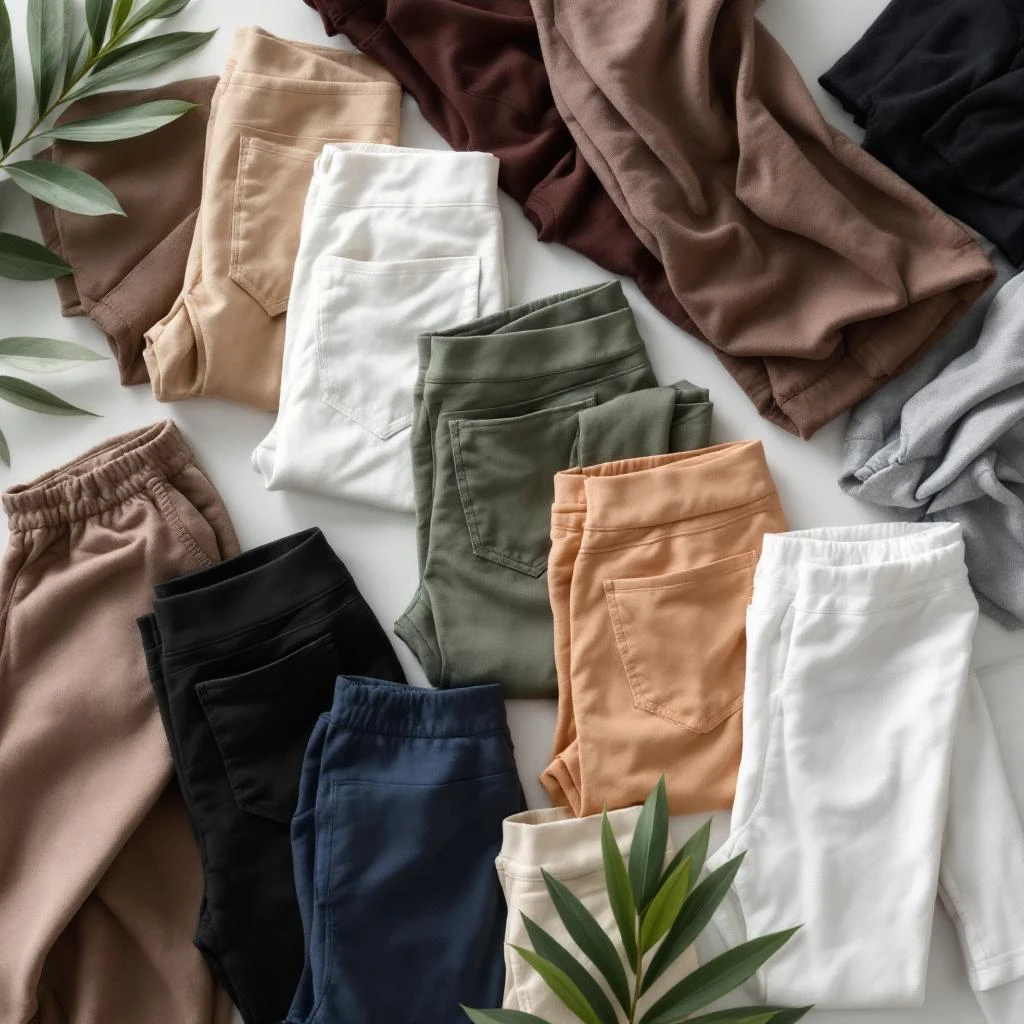
Modern leggings have evolved far beyond basic black activewear, incorporating thoughtful design elements that enhance both functionality and aesthetic appeal. Pocket placement and size have become crucial considerations, with side pockets perfect for phones and keys, while back pockets accommodate cards and smaller items. Some leggings feature hidden waistband pockets for secure storage during workouts. Color and pattern options now rival traditional fashion pieces, from classic black and navy to bold prints, subtle textures, and seasonal color trends. Mesh panels add both style and ventilation, strategically placed for maximum impact without compromising durability. Seamless construction creates clean lines and eliminates visible panty lines, while decorative seaming can enhance and flatter your natural curves. Ankle details like zippers, cutouts, or logo placement add unique touches that distinguish premium brands. Waistband variations include logo detailing, contrasting colors, or subtle branding that adds visual interest without being overwhelming. Length variations like cropped ankles or full coverage can be chosen based on personal preference and intended shoe pairings. Reflective elements serve both safety and style purposes for outdoor activities. The rise of athleisure has driven innovation in leggings that look as good with sneakers and a hoodie as they do with boots and a tunic, making versatility a key consideration in finding your perfect pair.
Care and Maintenance: Extending Your Leggings' Lifespan

Proper care and maintenance significantly extend the life of your perfect leggings while maintaining their performance characteristics and appearance. Washing frequency should balance cleanliness with fabric preservation – after intense workouts but not necessarily after light wear. Cold water washing protects elastic fibers and prevents color fading, while gentle or delicate cycles reduce stress on seams and fabric structure. Avoid fabric softeners, which can break down moisture-wicking properties and elastic components. Instead, use sport-specific detergents designed for technical fabrics. Air drying is always preferable to machine drying, which can degrade spandex and cause shrinkage. If machine drying is necessary, use low heat settings and remove leggings while slightly damp to prevent over-drying. Proper storage involves folding rather than hanging to prevent stretching, and avoiding overcrowded drawers that can cause creasing or fabric stress. Address pilling immediately with a fabric shaver or pill remover to maintain appearance. Check for loose threads or small holes regularly, addressing issues promptly to prevent larger problems. Rotate between multiple pairs to allow fabrics to recover between wears, maintaining elasticity and shape longer. Consider the lifespan expectations of different quality levels – premium leggings may cost more initially but often provide better value through extended durability and maintained performance over time.
Conclusion
Finding the perfect leggings in 2026 is an investment in your comfort, confidence, and active lifestyle. By understanding fabric technologies, proper fit requirements, activity-specific needs, style preferences, and maintenance best practices, you can make informed decisions that serve you well for years to come. Remember that the perfect leggings should feel like a second skin while providing the support and functionality your lifestyle demands. Whether you prioritize high-performance athletic features, versatile everyday comfort, or fashion-forward style elements, the modern leggings market offers options to meet every need and preference. Take time to assess your specific requirements, try different brands and styles, and invest in quality pieces that align with your goals and activities.
FAQ
What makes leggings squat-proof?
Squat-proof leggings feature high-quality, thick fabric with adequate stretch and recovery properties, plus proper fit that doesn’t stretch too thin when you bend or squat.
How often should I replace my leggings?
Quality leggings typically last 6-12 months with regular use, depending on care and activity level. Replace when they lose elasticity, become see-through, or show significant wear.
What's the difference between yoga and workout leggings?
Yoga leggings prioritize comfort and flexibility with softer fabrics, while workout leggings focus on moisture-wicking, compression, and durability for high-intensity activities.
Should leggings be tight or loose?
Leggings should fit snugly without being restrictive, feeling like a second skin with no bunching, rolling, or see-through areas when you move or stretch.